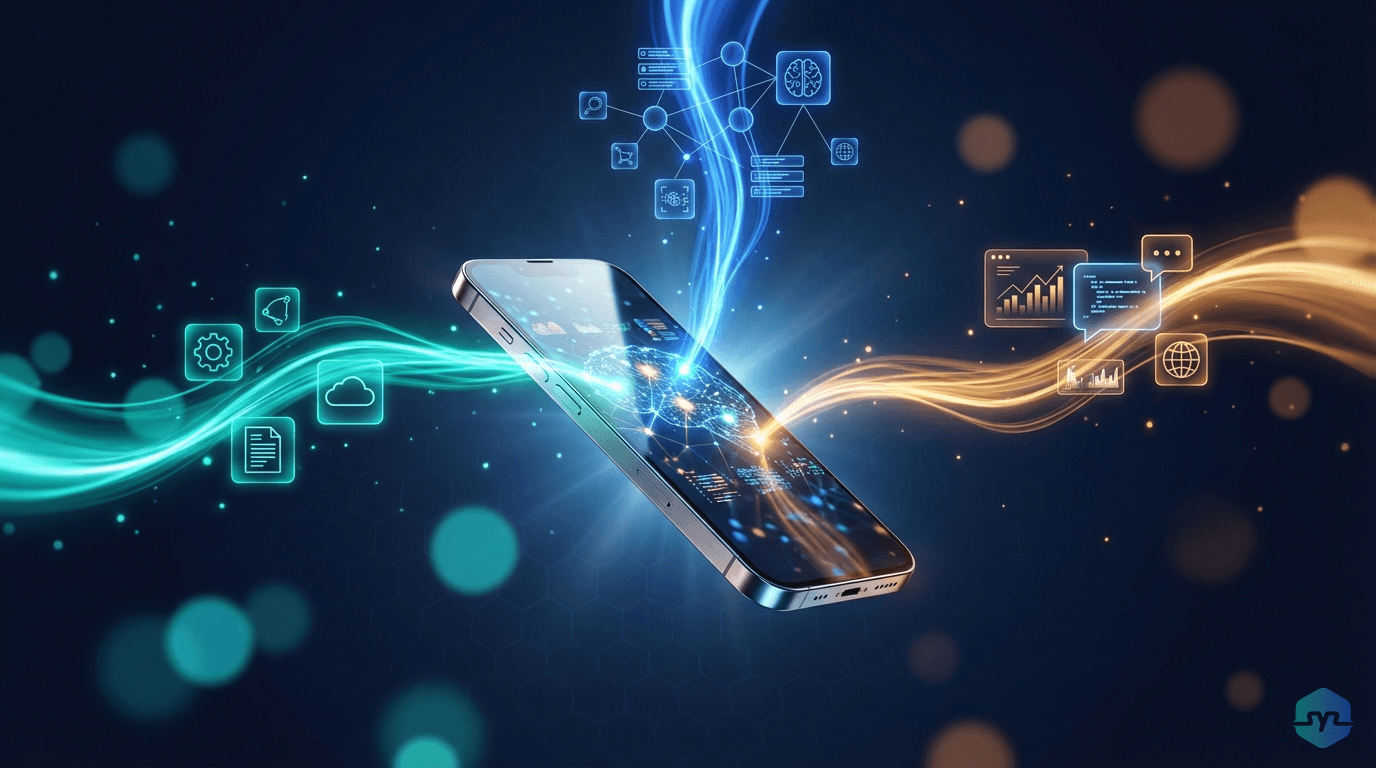
Samsung just made the biggest bet in the smartphone industry: turning your phone into an AI agent that thinks, plans, and acts on your behalf.
The Galaxy S26, unveiled at Galaxy Unpacked 2026 in San Francisco on February 25, doesn't just add AI features to a phone — it restructures the entire smartphone experience around a multi-agent AI architecture. Bixby, Google Gemini, and Perplexity work together as a coordinated system, handling complex multi-step tasks while you do something else entirely.
But does agentic AI on a phone actually work? And what's the privacy cost of routing your data through three different AI clouds?
What "Agentic AI Phone" Actually Means
Traditional phone assistants are reactive — you ask, they answer. The Galaxy S26's approach is fundamentally different: AI agents understand context, plan multi-step tasks, navigate between apps, and execute them autonomously in the background.
Google's live demo at Unpacked made this tangible: Gemini read a chaotic family group chat, figured out everyone's pizza preferences, opened DoorDash, built the cart, and waited for a single confirmation tap. All of this happened in a background virtual window while the user was doing something else.
As Google put it: "The industry calls it agentic AI. I just call it getting stuff done."
Three AI Engines in One Device
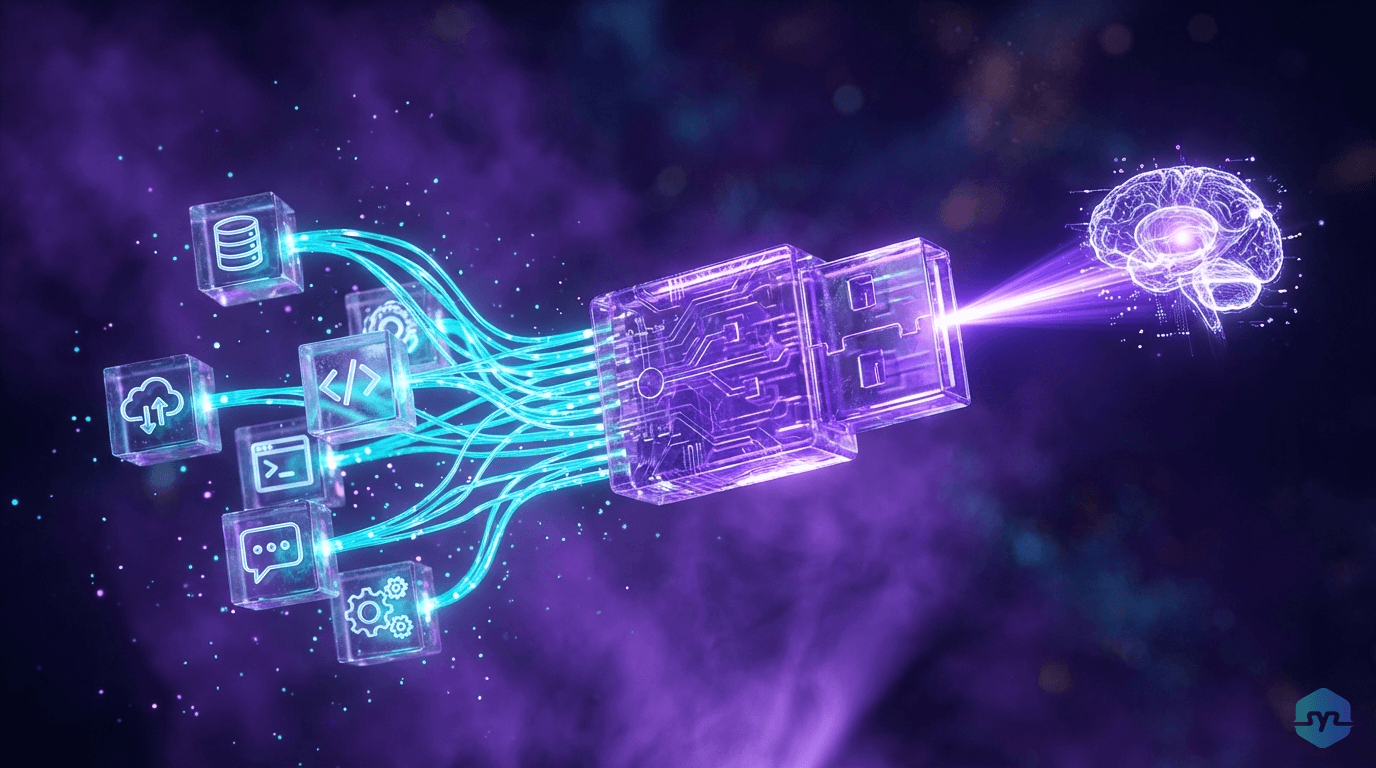
The Galaxy S26's most distinctive feature is its multi-agent architecture — three separate AI engines running simultaneously.
Revamped Bixby now works as an on-device conversational agent. You don't need to know menu structures or exact setting names. Ask "Why does my screen stay on in my pocket?" and Bixby understands the context, pulling up the relevant setting (Accidental Touch Protection). It also handles web searches within its own UI — no redirect to a separate browser.
Google Gemini handles cross-app agentic tasks. It opens apps in a virtual background window and navigates them autonomously: booking rides, making restaurant reservations, building shopping carts from messaging conversations.
Perplexity is integrated for web-based queries and deep research. Samsung's decision to give Perplexity OS-level access is an industry first — no AI company outside Google had ever received this level of system integration on Android.
Users choose which agent to invoke with a single button press or voice command.
AI Features That Change Daily Use
The S26's AI capabilities go beyond impressive demos — several features reshape everyday phone interactions:
- Now Nudge offers contextual suggestions as you type. When someone texts "Want to meet tomorrow?", it checks your calendar and shows availability directly in the keyboard toolbar.
- Photo Assist brings natural language photo editing. Say "Turn this daytime photo into a night scene" or "Restore the missing part of this object" and the AI handles it.
- Call Screening lets AI answer calls from unknown numbers, determine the caller's intent, and report back to you. Spam calls get filtered before they ever reach you.
- Updated Circle to Search now recognizes multiple objects simultaneously. Spot a street style photo you love and search for every piece — from the jacket to the shoes — in one go.
Snapdragon 8 Elite Gen 5 Powers the AI Stack
All of these AI features require serious hardware muscle. Qualcomm's Snapdragon 8 Elite Gen 5 delivers approximately 100 TOPS (trillion operations per second), with a roughly 37% NPU improvement over its predecessor. CPU performance is up 19%, and GPU performance jumps 24%.
The Galaxy S26 Ultra's 1TB model comes with 16 GB RAM, while the 256 GB and 512 GB variants ship with 12 GB. For on-device AI models, this RAM difference can be significant — especially in multi-agent scenarios where multiple AI engines compete for memory resources.
Privacy Display: Physical Privacy for the AI Age
The Galaxy S26 Ultra introduces a genuinely innovative hardware feature: a built-in Privacy Display.
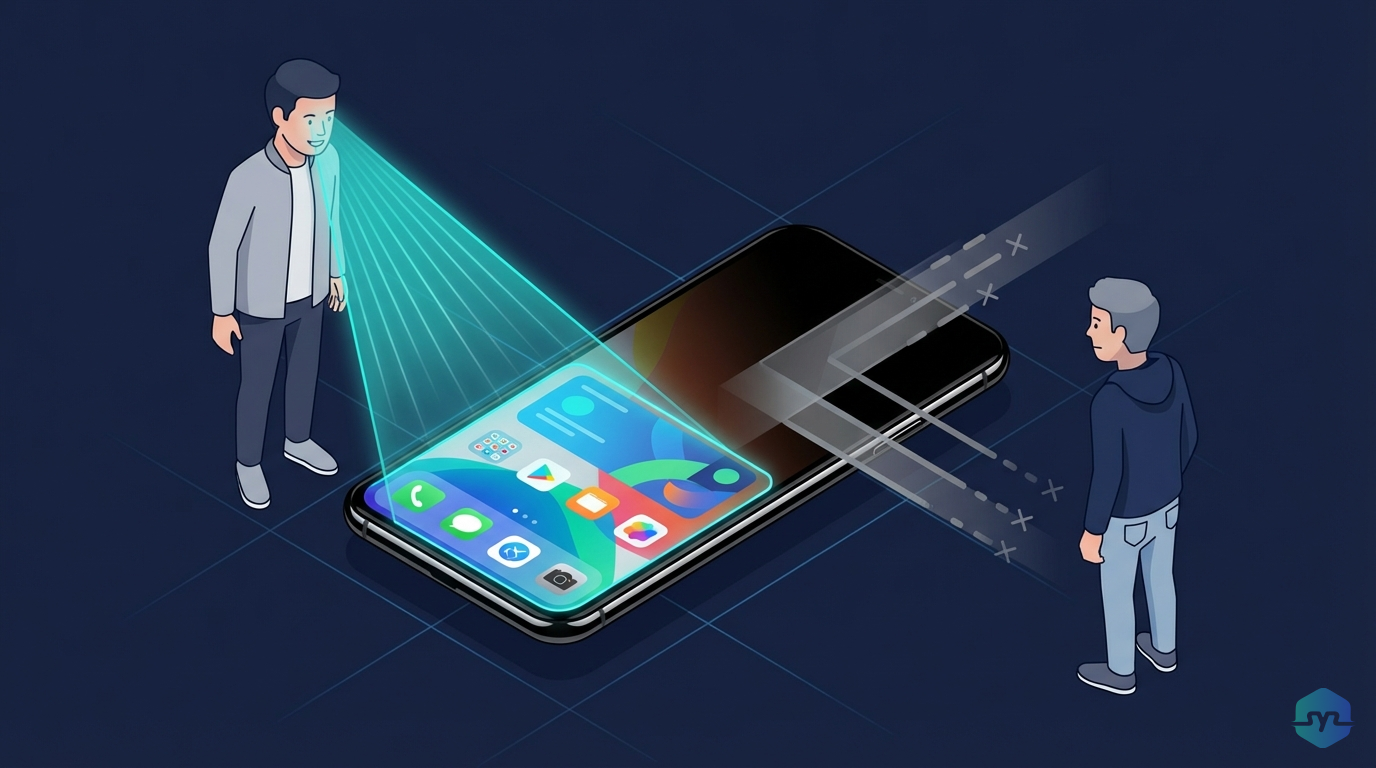
Samsung's "Flex Magic Pixel" technology uses two distinct pixel types — narrow and wide — with a Black Matrix architecture that controls how light travels from the screen. When Privacy Display is activated, only narrow pixels light up, restricting viewing angles so that someone sitting next to you sees only a dimmed screen.
No more physical privacy filters for banking apps on public transit. A half-screen mode is also available — protecting password entries and financial information while keeping the top portion visible.
This feature is exclusive to the Galaxy S26 Ultra — the S26 and S26+ lack the necessary display hardware.
The Privacy Cost of Multi-Cloud AI
The Galaxy S26's multi-agent architecture delivers a powerful user experience, but it raises serious privacy questions.
Depending on your query, context, or chosen agent, your data is dynamically routed between Samsung (Galaxy AI), Google (Gemini), and Perplexity's clouds. Moving from a single intermediary to a multi-party pipeline effectively multiplies the surface area for data collection.
Perplexity's OS-level access has been particularly controversial. The data-sharing agreements between Samsung, Google, and Perplexity haven't been fully disclosed, creating compliance challenges for organizations operating under strict data governance requirements.
For teams building mobile applications, this highlights the growing importance of understanding which AI engine processes user data — and where that data ultimately resides.
How Competitors Are Responding
Samsung isn't the only company pushing AI into smartphones:
Apple is preparing its own agentic AI approach with Apple Intelligence and a revamped Siri for the iPhone 17 series. Apple's privacy-first on-device strategy takes a fundamentally different philosophy from Samsung's multi-cloud approach.
Google Pixel targets on-device Gemini Nano with the Tensor G5 chip, leveraging its own hardware-software integration for a more consistent AI experience.
Qualcomm's Snapdragon 8 Elite Gen 5 — the engine powering the Galaxy S26 — delivers 100 TOPS and leads in raw AI processing power. Yet the real differentiator appears to be software integration rather than raw numbers — Apple achieves strong real-world results through Core ML optimization despite lower TOPS figures.
Where This Trend Is Heading
Samsung is redefining the smartphone as an "AI operating system." In 2026, your phone isn't just running apps — it's an assistant that thinks, plans, and takes action on your behalf.
But this transformation depends on three critical factors:
- Reliability: Will agentic AI tasks actually work flawlessly? A wrong pizza order is funny; a wrong bank transaction isn't.
- Privacy: Will users accept their data flowing between three different clouds?
- App ecosystem impact: If AI agents navigate app interfaces to complete tasks, how does the traditional app experience change?
For businesses looking to build AI agent solutions or integrate AI chatbots into their mobile strategy, the Galaxy S26 previews where the industry is heading. User expectations for intelligent, autonomous mobile experiences are rising fast.
Key Takeaways
- The Galaxy S26 is the first phone to bring "agentic AI" to the mainstream with a multi-agent architecture
- Bixby, Gemini, and Perplexity work as coordinated AI engines, but the multi-cloud approach raises privacy concerns
- Privacy Display is a genuine hardware innovation for physical screen privacy
- Snapdragon 8 Elite Gen 5's 100 TOPS NPU performance makes on-device AI processing viable
- Apple and Google are taking different approaches, intensifying the AI phone competition
- The app ecosystem and user trust will determine whether agentic AI phones succeed long-term